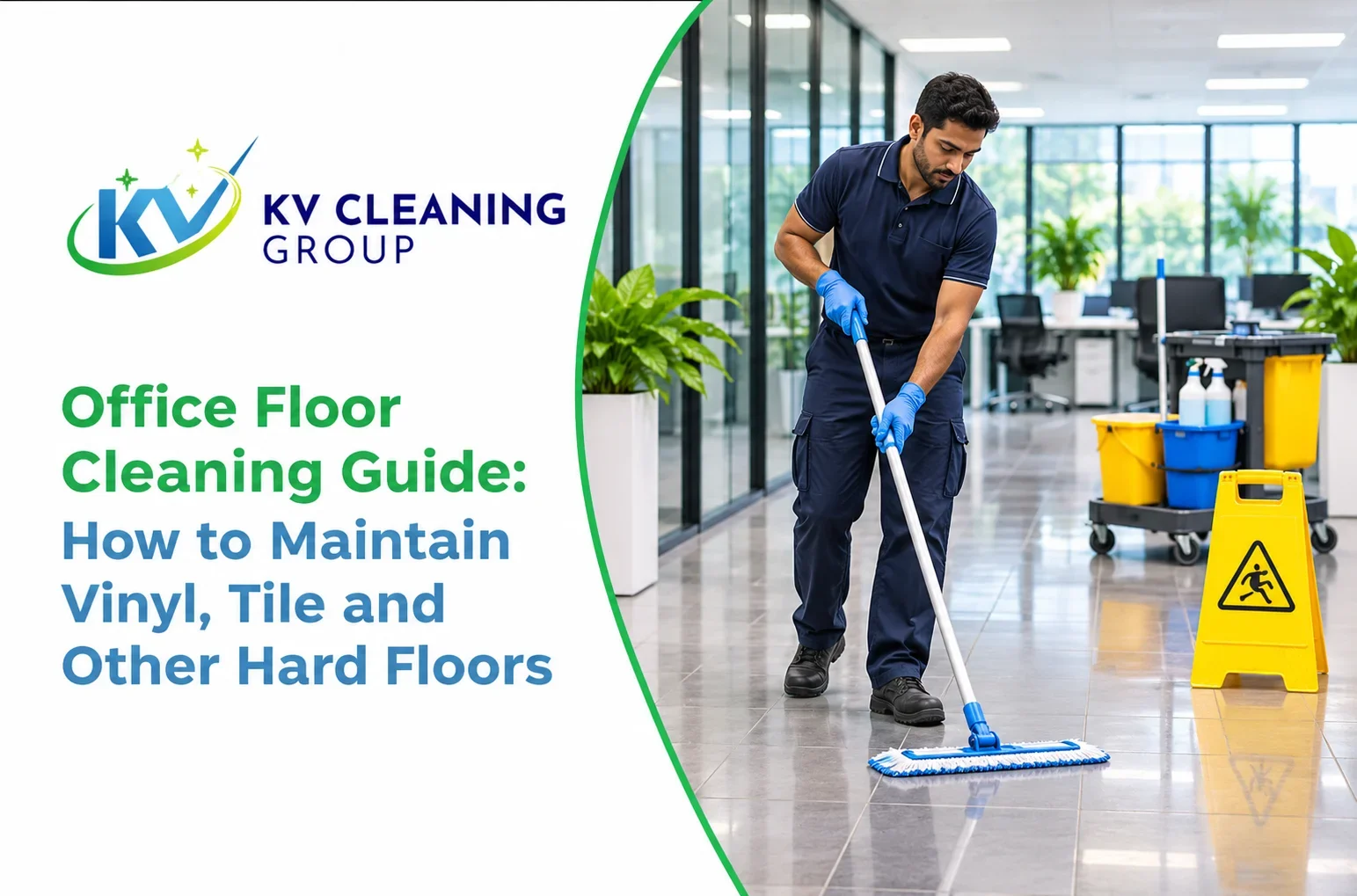
Office dust buildup in Sydney workplaces can result from everyday foot traffic, outdoor particles entering through doors and windows, fibres from clothing and furnishings, paper handling and dust settling on neglected surfaces. Even offices that receive regular cleaning can develop dust in areas that are difficult to reach or missing from the routine cleaning checklist.
Dust commonly accumulates on shelves, skirting boards, window ledges, behind office equipment and around furniture. Understanding the causes of dust in offices helps managers identify where it collects, improve cleaning routines and reduce unnecessary build-up.
In this guide, we explain why dust accumulates in office spaces, which areas are commonly overlooked and practical ways to keep your Sydney workplace cleaner.
What Causes Dust to Build Up in Offices?
Dust is a mixture of small particles from different sources. Its composition varies depending on the building, surrounding environment, furnishings and activities taking place inside.
Several everyday factors can contribute to dust accumulation in workplaces.
1. Foot Traffic and Outdoor Particles
Employees, visitors and contractors regularly enter and leave office buildings. Dust, soil and other small particles can be carried inside on footwear, clothing and belongings.
Entrances, reception areas, corridors and walkways may collect more dirt because they experience repeated foot traffic throughout the day. Without suitable floor maintenance, particles can spread into adjoining work areas.
How to reduce it: Keep entrance areas clean, use suitable entry mats where practical and establish a cleaning schedule that reflects the amount of traffic through the office.
2. Paper, Clothing and Office Furnishings
Paper handling, cardboard packaging, fabric upholstery and everyday clothing can contribute small particles to indoor dust. Office chairs, curtains, carpet and other furnishings can also trap particles that may be disturbed during normal use.
This does not mean these items are necessarily dirty. Rather, dust can accumulate gradually when particles settle on surfaces or become trapped in fabric and carpet.
How to reduce it: Dust suitable surfaces regularly, vacuum carpets and upholstery using appropriate equipment, and include fabric-covered furniture in the planned cleaning routine where required.
3. Openings, Windows and Building Access Points
Dust and outdoor particles may enter through open windows, doors and other building openings. The amount depends on the surrounding environment, building design, weather and how the space is ventilated.
Sydney offices can have different dust sources depending on their location and surroundings. An office near a busy road, a construction area or a frequently used entrance may experience different cleaning needs from an office in a quieter location. These are possible contributing factors, not a guarantee that every nearby office will experience greater dust accumulation.
How to reduce it: Check where dust appears most frequently and whether it is concentrated near entrances or windows. Keep suitable surfaces clean and ensure ventilation systems are maintained according to the manufacturer's recommendations.
Do not block required ventilation openings or make changes to building ventilation without appropriate advice.
4. Infrequent Cleaning of Less Visible Surfaces
Daily cleaning often prioritises visible and frequently used areas, such as desks, floors, kitchen surfaces and bins. As a result, some less obvious surfaces may receive attention less frequently.
Dust can gradually accumulate on skirting boards, high shelves, storage units, furniture bases and accessible areas behind office equipment.
How to reduce it: Review the cleaning checklist and identify which surfaces are included in routine cleaning and which require periodic attention. Assign suitable tasks and frequencies rather than relying on occasional visual inspections.
Where Does Dust Hide in an Office?
Some of the most noticeable dust problems occur in areas that are easy to overlook during a quick workplace walkthrough.
Skirting Boards and Floor Edges
Skirting boards and floor edges can collect dust, especially behind desks, near storage units and along walls that are not frequently accessed.
These areas may not be obvious when entering a room, but accumulated dust becomes more visible during close inspection.
Cleaning tip: Include accessible skirting boards and floor edges in the cleaning checklist. Use a suitable cloth or cleaning attachment that can reach the surface without spreading dust unnecessarily.
Behind Monitors, Printers and Office Equipment
Computer monitors, printers and other office equipment can create small spaces where dust settles. Cables, equipment stands and nearby surfaces may also be difficult to clean around.
Electrical equipment requires care during cleaning. Avoid spraying liquid directly onto devices or moving connected equipment unless it is safe to do so.
Cleaning tip: Clean accessible surrounding surfaces using methods suitable for the equipment and follow the manufacturer's cleaning instructions. Arrange specialist assistance when equipment needs to be moved or disconnected.
Shelves, Storage Units and High Surfaces
Bookshelves, filing cabinets, display shelves and the tops of storage units can collect dust over time. These surfaces may be missed when cleaning focuses on desks and floors.
High surfaces can also be difficult or unsafe to reach without suitable equipment.
Cleaning tip: Add accessible shelves and storage surfaces to the cleaning schedule. Use appropriate access equipment or trained assistance when surfaces cannot be reached safely.
Window Ledges and Blinds
Window ledges and blinds can collect particles that enter through openings or settle from the surrounding indoor environment. Blind slats can be particularly time-consuming to clean because they have multiple surfaces.
Cleaning tip: Inspect window ledges and blinds periodically. Use a suitable method for the material and avoid dry dusting methods that simply redistribute particles around the room.
Carpet Edges and Areas Beneath Furniture
Carpet can trap dust and small particles within its fibres. Edges, corners and accessible areas beneath furniture may receive less attention than open floor space.
Vacuuming the central walkway alone may therefore leave some areas untreated.
Cleaning tip: Vacuum carpeted areas systematically, including accessible edges and corners. Move furniture only when safe and appropriate, and use suitable equipment for the flooring type.
Air Vents and Ventilation Components
Dust may be visible around accessible vent covers or nearby surfaces. However, visible dust on a vent does not establish the condition of the entire ventilation system.
Ventilation performance depends on the system's design, condition and maintenance. Persistent dust or airflow concerns should not be treated as a cleaning issue alone.
Cleaning tip: Keep accessible vent covers and surrounding surfaces clean according to the building's maintenance requirements. Arrange inspection or servicing by a competent professional if ventilation equipment appears damaged, airflow is inadequate or dust problems persist.
SafeWork NSW explains why suitable workplace ventilation and maintenance matter in its guide to ventilation at work.
Practical Office Dust Removal Tips for Sydney Workplaces
Reducing dust in office spaces requires a consistent approach rather than relying on occasional intensive cleaning.
1. Use a Consistent Cleaning Schedule
Create a checklist that separates regular cleaning tasks from periodic detailed cleaning. The frequency should reflect the office's occupancy, floor coverings, furniture, layout and observed dust accumulation.
A practical schedule may include:
-
Routine dusting of accessible desks and surfaces
-
Regular vacuuming or suitable floor cleaning
-
Cleaning of skirting boards and floor edges
-
Periodic attention to shelves and storage units
-
Cleaning accessible surfaces around office equipment
-
Inspection of window ledges and other overlooked areas
The exact frequency should be based on the workplace's needs rather than a fixed schedule applied to every office.
2. Remove Dust Without Spreading It Unnecessarily
The cleaning method matters. Dry dusting or sweeping can disturb settled particles and move them into the air, depending on the method and conditions.
For ordinary office dust, use suitable dust-removal methods and equipment, such as appropriate vacuuming or a slightly damp cloth on compatible surfaces. Follow equipment and surface-care instructions.
Important: Ordinary office dust is not the same as hazardous workplace dust. If the material may contain silica, asbestos or other hazardous substances, do not treat it as routine cleaning. Stop and obtain appropriate professional advice and controls.
3. Pay Attention to High-Traffic Areas
Entrances, reception areas, corridors and shared workspaces may require more frequent attention because they are used repeatedly throughout the day.
Check where dirt appears most quickly and adjust the cleaning schedule accordingly. Entry mats, suitable floor maintenance and prompt removal of tracked-in dirt can help prevent particles from spreading further into the office.
4. Keep Workspaces Organised
Clutter can make surfaces more difficult to clean. Paper stacks, storage boxes and items placed close together can create additional areas where dust settles and make access more difficult.
Encourage staff to keep work surfaces reasonably organised and ensure cleaning teams can access the areas included in their agreed scope.
Organisation does not eliminate dust, but it can make routine cleaning more consistent.
5. Review Ventilation and Building Maintenance
Cleaning removes dust from surfaces, but it does not resolve every cause of indoor particle accumulation. If dust returns unusually quickly, appears concentrated near a vent or is accompanied by persistent ventilation concerns, the building's maintenance arrangements may need review.
Ventilation systems should be inspected and maintained in line with manufacturer guidance and relevant building requirements. Use a qualified professional for technical assessments, internal system cleaning or repairs where needed.
When Is Routine Cleaning Not Enough?
Routine cleaning is designed to manage everyday dirt and maintain commonly used areas. However, dust can gradually accumulate on surfaces that are not included in the normal schedule or are difficult to reach.
A more detailed clean may be worth considering when:
-
Dust repeatedly remains on skirting boards, shelves and other overlooked surfaces.
-
Accessible areas behind furniture or office equipment are consistently missed.
-
Carpet edges and corners continue to collect visible dust.
-
The existing cleaning checklist does not cover the needs of the workplace.
-
Dust returns quickly despite a consistent routine, and the source needs further investigation.
Before arranging additional cleaning, identify the affected areas and review the tasks already included in the regular service. Some issues may be resolved by adjusting the routine, while others may require more detailed cleaning or building maintenance.
If your workplace needs more attention than its regular cleaning schedule provides, explore office deep cleaning services in Sydney to review the relevant options.
Office Dust-Reduction Checklist
Use this checklist during a workplace inspection to identify common dust accumulation points.
- Entrance mats, reception areas and high-traffic walkways
- Desks, shelves and accessible storage surfaces
- Skirting boards and floor edges
- Accessible areas around monitors, printers and other equipment
- Window ledges and blinds
- Carpet edges, corners and accessible areas beneath furniture
- Accessible vent covers and surrounding surfaces
- Areas that repeatedly collect dust between cleaning visits
Record the affected location and how quickly dust returns after cleaning. This information can help determine whether the issue relates to cleaning frequency, access limitations, building conditions or another source.
This checklist is a practical cleaning aid, not a formal assessment of indoor air quality or workplace safety.
Keep Dust Under Control in Your Sydney Office
Dust accumulation is a normal maintenance challenge, but persistent build-up can indicate that some surfaces or areas need more attention. Identifying the source, inspecting hard-to-reach locations and using suitable cleaning methods can help Sydney businesses maintain cleaner and more organised workspaces.
Start by reviewing your current cleaning checklist and identifying where dust collects most frequently. If the problem involves accumulated dust in overlooked areas, a more detailed cleaning session may be appropriate alongside ongoing routine maintenance.
To discuss the areas that need attention, visit KV Office Cleaning Sydney's office deep cleaning service and review the available options for your workplace.